
Building vs Contents Insurance: What’s the Difference?
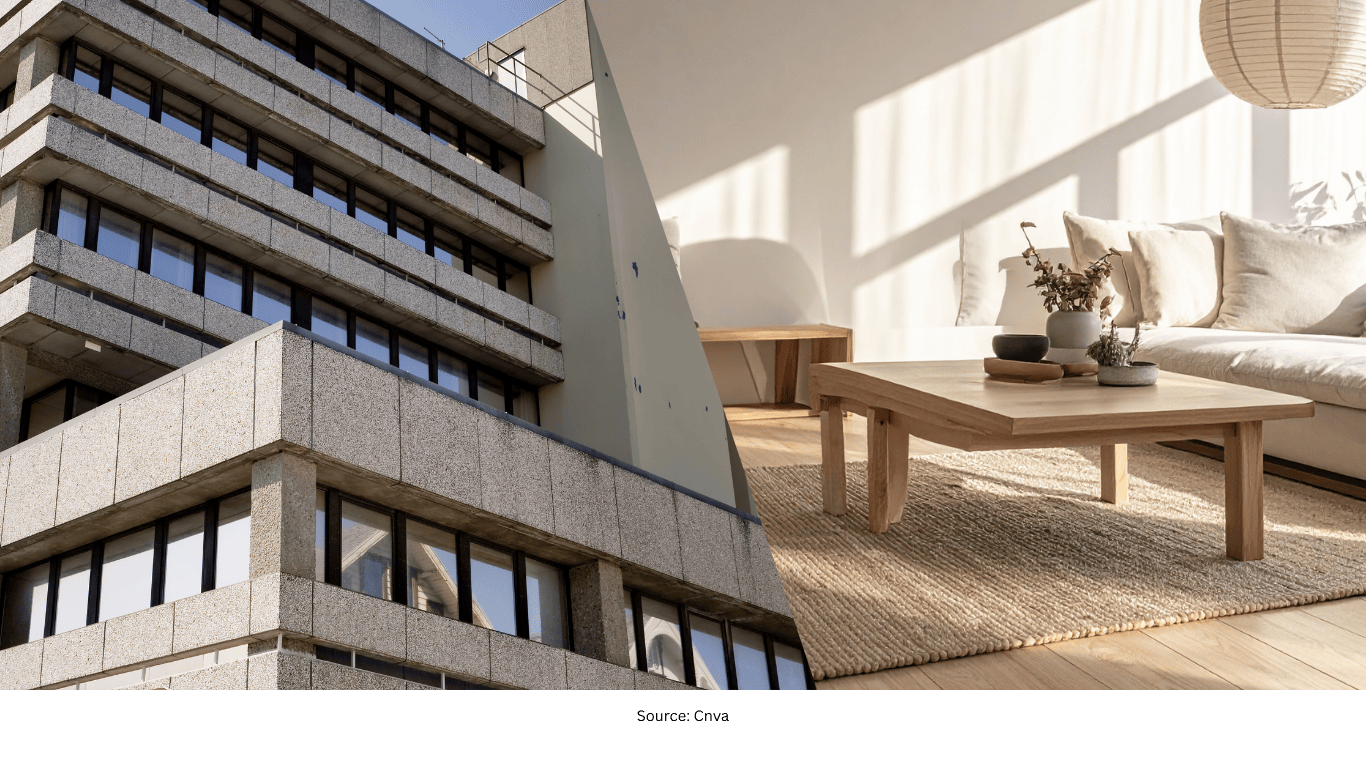
Understanding home insurance basics
Home insurance is often discussed as though it is one product, but it is commonly made up of two distinct types of cover: building insurance and contents insurance. While they can be purchased separately, they are also frequently combined into a single policy known as building and contents insurance (often called Home and Contents insurance). Understanding what each type of insurance is designed to cover can help you decide what protection you need for your property and your belongings.
At a high level, building insurance is focused on the residential building and certain permanent structures on the property. Contents insurance is focused on the personal items you own and keep in the home. The two are designed to work together, because a major insured event can damage both the structure of the home and the items inside it.
What building insurance can cover
Building insurance can cover your residential building for loss or damage caused by insured events. Examples of insured events mentioned in policies can include fire, flood, storm and theft. The idea is to protect the physical structure you own, which may be costly to repair or rebuild after damage.
Building insurance can extend beyond the main house itself. In addition to your house, it could help protect a range of other permanent structures on the property. These can include:
- Sheds
- Granny flats
- In-ground pools
Because building insurance is aimed at the property structure and permanent fixtures, it is typically most relevant for homeowners. If you own the property, damage to the building is your responsibility, so building insurance can be a key part of your overall protection.
What contents insurance can cover
Contents insurance can protect your personal belongings. This can include everyday household items and valuables you own, such as furniture, appliances, clothes and electronics. Contents insurance is designed to help with the financial impact of losing these items or having them damaged due to insured events.
Contents insurance could also cover the cost of repairing or replacing your content items on a new-for-old basis for loss or damage caused by insured events. Examples of insured events can include fire, flood and theft. Some policies may also include cover for electric motor burnout, which can affect certain appliances and electronics.
Because contents insurance is about the items you own rather than the building itself, it can be relevant whether you own your home or rent it. Your belongings can be exposed to risks regardless of who owns the building.
How building and contents insurance work together
Building insurance and contents insurance are designed to work together to provide broader protection for both your home and your belongings. When combined, building and contents insurance (often known as Home and Contents insurance) could cover both your building and contents from loss or damage caused by events such as fire, flood and theft. It may also include cover for burnout of electric motors, depending on the policy.
This combined approach can be useful because a single incident can affect both parts of your household. For example, an insured event may damage the building structure and also destroy or damage furniture, appliances, clothes, and electronics inside the home. Having both types of cover can help ensure you are not protected in one area but exposed in the other.
Do renters need building insurance?
If you’re renting, you generally won’t need building insurance, because you don’t own the home. The building itself is owned by the landlord, and the landlord may have their own insurance arrangements for the property.
However, renters may still take out contents insurance to cover their belongings. Personal items are unlikely to be covered under a landlord’s insurance policy. Contents insurance can therefore be a way for renters to protect items such as furniture, appliances, clothes and electronics against insured events like fire, flood and theft, depending on the policy.
Optional extras and additional cover
Many insurance providers offer optional extra coverage for an additional premium. These options can allow you to tailor a policy to better match your circumstances and the types of risks you are concerned about.
Some common examples of optional extras can include:
- Damage caused by an accident
- Loss of rent in an investment property
Another optional feature that may be available is portable valuables cover. This type of cover can apply to items you take with you when you are away from home. Examples of items that may be included under portable valuables cover can include:
- Laptops
- Jewellery
- Sporting equipment
Portable valuables cover can be relevant if you regularly carry valuable items outside the home and want protection that extends beyond your address. Whether it is available and what it covers can vary by provider and by policy.
Why checking your policy matters
Insurance cover differs between insurance providers. Even when two policies are described using similar terms, the included cover and optional extras can vary. For that reason, it is important to check what is offered under your insurance policy, including what insured events are included, what structures or items are covered, and which extras are available for an additional premium.
Understanding these details can help you decide whether you need building insurance, contents insurance, or a combined building and contents policy. It can also help you identify whether optional extras—such as accidental damage, loss of rent, or portable valuables cover—are relevant for your needs.
Choosing the right mix of cover
Choosing between building insurance and contents insurance often comes down to what you own and what you need to protect. If you own the home, building insurance can help protect the residential building and other permanent structures on the property against insured events such as fire, flood, storm and theft. If you have personal belongings you want to protect, contents insurance can help cover items like furniture, appliances, clothes and electronics, and may include new-for-old replacement and cover for events such as fire, flood, theft and electric motor burnout.
For many homeowners, combining both types of cover can provide a more comprehensive approach, because building and contents insurance is designed to cover both the structure and the belongings in one policy. For renters, contents insurance may be the more relevant option, since the building is not owned by the tenant and is unlikely to be covered under the landlord’s insurance policy for the tenant’s personal items.
Ultimately, the most suitable option depends on your living situation and what you want protected. Reviewing what each policy covers—and what optional extras are available—can help you select cover that aligns with your needs and budget.