
How Home Espresso Machines Are Tested and Compared
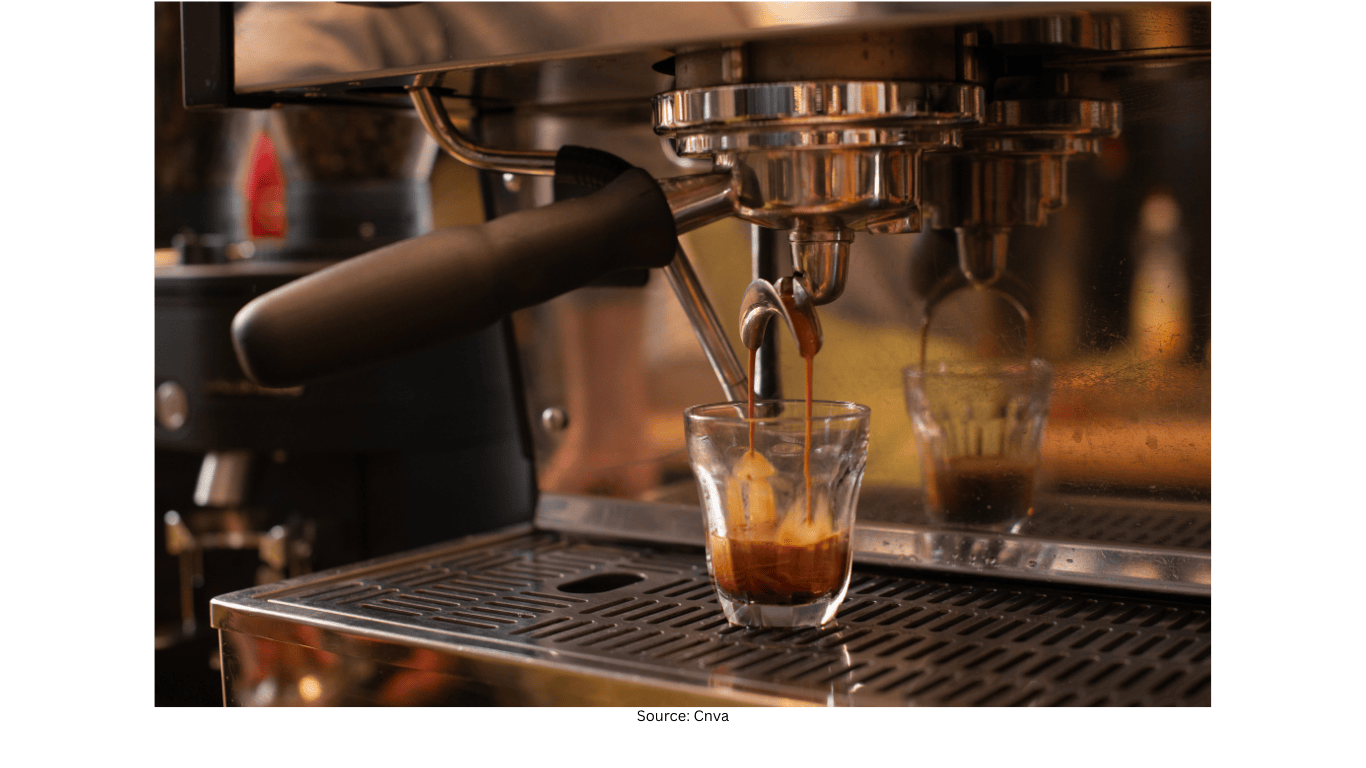
Understanding the main types of home espresso machines
Home espresso machines are commonly grouped into three broad categories: manual, semi-automatic and coffee pod (capsule) machines. Each type is designed for a different style of coffee-making, from hands-on control to quick, button-driven convenience. When machines are tested and compared, the goal is to highlight both strengths and weaknesses across these styles so readers can better understand what a given model is like to live with day to day.
Testing often includes machines from a range of well-known brands, and the comparisons aim to cover the most common formats people consider when choosing a home espresso setup. Rather than focusing only on taste, a thorough review process looks at how a machine performs across multiple criteria, including espresso quality, ease of use, maintenance, and milk frothing ability.
Coffee pod machines: convenience-focused espresso
Coffee pod machines are built to appeal to people who value ease of use, including those moving from instant coffee and those who want a consistent result with minimal effort. This category has expanded with a variety of brands available at a range of prices, and coffee pod machines are also sold through supermarkets, helping the format grow in popularity.
These machines use a pod or capsule that contains enough coffee for a single shot. The basic process is straightforward: you insert the pod, press a button, and the machine pierces the capsule so hot water can flow through and produce the shot. In testing, this style of machine is typically assessed not only for the espresso it produces, but also for how intuitive the process feels and how easy it is to keep the machine clean.
Manual and semi-automatic machines: more control and a hands-on process
Manual and semi-automatic espresso machines are aimed at people who want more involvement in making coffee and prefer to adjust the process to match personal taste. The key difference between the two is how the coffee flow is controlled. Semi-automatic machines automatically cut off the flow once a pre-set amount has been poured into the cup. With manual machines, the user has full control and needs to stop the flow themselves, similar to how a barista typically controls extraction in a cafe setting.
Because these machines invite more user input, testing needs to capture both the potential for high-quality espresso and the practical realities of using the machine regularly. That includes how easy it is to adjust settings, how consistent the machine is across multiple coffees, and how manageable cleaning and maintenance are after repeated use.
How espresso quality is assessed through blind tasting
A key part of comparing espresso machines is evaluating the espresso itself. In a structured process, three experts conduct a “blind” tasting of freshly made espressos. The tasting focuses on multiple sensory attributes rather than a single overall score.
- Crema appearance: colour and thickness of the crema (the tan-coloured foam on top of an espresso shot)
- Aroma: the smell of the espresso immediately after brewing
- Flavour: how the espresso tastes overall
- Mouth feel: texture characteristics such as creaminess or wateriness
- Aftertaste: the lingering taste after swallowing
Expert testers involved in this kind of evaluation can include coffee professionals such as David and Matthew Gee from Barista Basics, and Anee Sampath of Samson Coffee House (Beancraft roasters). Using a blind tasting approach helps keep the focus on what is in the cup, rather than brand expectations or machine design.
Ease of use and maintenance: what reviewers do in practice
Beyond taste, an espresso machine needs to be practical. Testing typically involves hands-on use of the machine’s key functions and routine tasks. Reviewers try the controls, fill the water tank and bean hopper (where applicable), adjust the grinder, make coffee, and then clean the machine inside and out. This provides a more realistic picture of what ownership is like, including how accessible the controls are and how much effort is involved in keeping the machine in good condition.
This part of the process matters because machines can differ widely in how intuitive they feel. A model might produce a good espresso but be frustrating to operate or time-consuming to clean. Conversely, a machine could be easy to use but less impressive on espresso quality. A balanced comparison aims to show these trade-offs clearly.
Measuring consistency across consecutive coffees
Consistency is another important performance factor. One way to assess it is to measure the consistency of four consecutive coffees made by each machine after it has warmed up for a set period. Warming up is treated as part of the real-world process, since temperature stability can affect extraction and repeatability.
The warm-up approach can vary depending on the machine type. A standard method includes warming the machine for five minutes, with additional time allowances for certain heating systems. For thermoblock and small boiler machines, an extra five minutes may be added. For heat exchanger machines, the warm-up allowance can be extended to 30 minutes. Once warmed, the machine is used to make multiple coffees in sequence, and the results are checked for consistency.
Milk frothing performance: aiming for fine, pourable foam
For many households, espresso is only part of the picture. Milk-based drinks depend heavily on the machine’s ability to froth milk well. Testing therefore includes experimenting with each machine to find how it best froths milk, with a focus on producing fine, pourable froth. This reflects the practical needs of people who want to make coffees such as lattes and cappuccinos at home and want a texture that can be poured rather than a coarse foam.
Who conducts the testing and why it matters
In a structured review program, testing is typically carried out in dedicated labs by staff who work across a range of home appliances. For example, a senior project officer may manage multiple product tests, while lab-based testers carry out hands-on assessments across categories that can include espresso machines and other household products.
The broader purpose of this kind of testing approach is to provide robust, independent advice to help consumers make informed decisions. It can also help identify product flaws through repeated, methodical assessment, which supports clearer comparisons between models and highlights practical differences that might not be obvious from specifications alone.
Choosing the right format for your routine
When comparing home espresso machines, it helps to start with how you want to make coffee. Coffee pod machines are designed for speed and simplicity: insert a capsule and press a button. Manual and semi-automatic machines are better suited to people who want more control over the process, with semi-automatic models stopping the pour at a pre-set amount and manual machines requiring the user to end the extraction themselves.
A thorough comparison process looks at espresso quality through blind tasting, checks usability and cleaning, measures consistency across consecutive coffees after warm-up, and evaluates milk frothing for fine, pourable foam. Taken together, these criteria provide a rounded view of how each machine performs, not just in a single cup, but across everyday use.