
How to Buy the Best Coffee Roaster for Your Kitchen
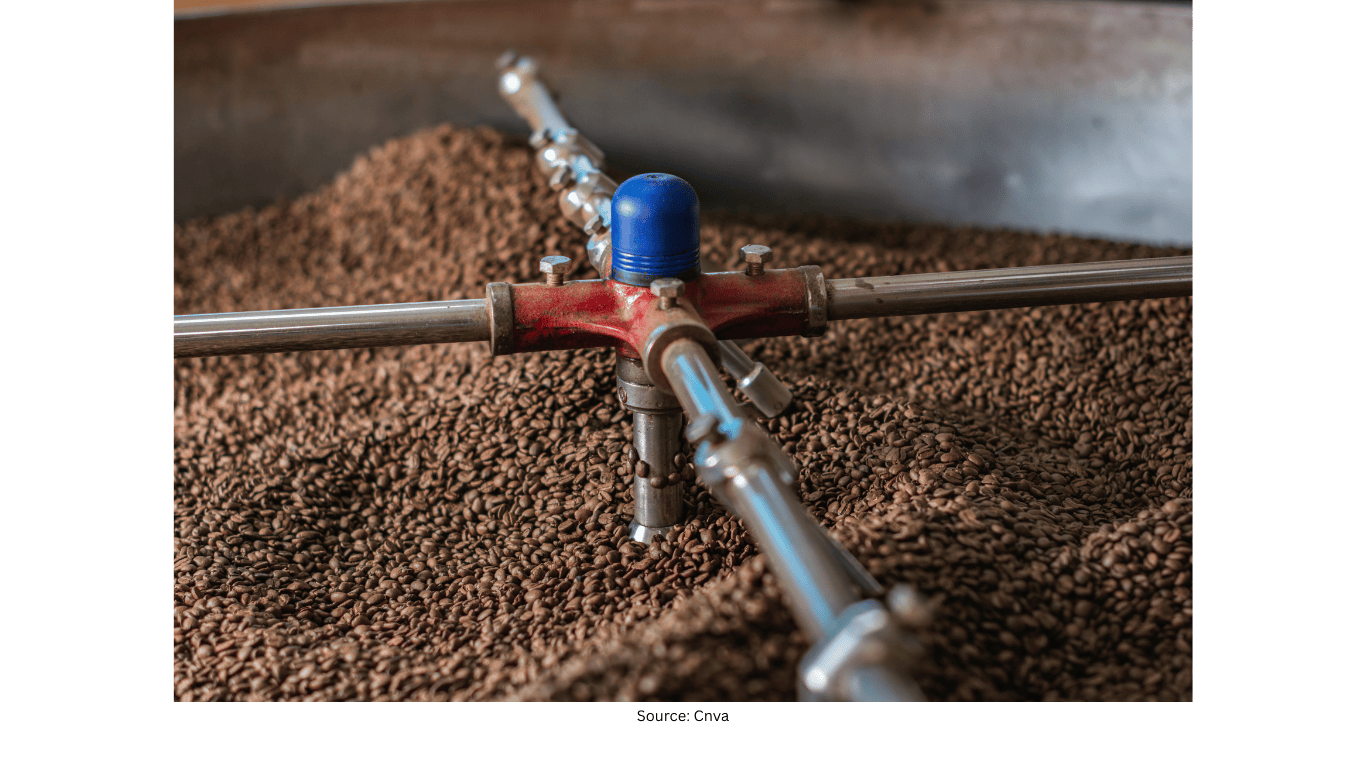
Why consider a home coffee roaster?
Roasting coffee at home appeals to people who want more control over flavour and freshness. The idea is simple: you roast green (unroasted) beans to the depth and intensity you prefer, then grind them for your own “perfect cup of coffee.” While some people roast beans in an oven, frying pan, or even a popcorn maker, the process can be finicky. Those improvised methods may make it hard to achieve even results, which is why a dedicated coffee roaster is often recommended for consistency.
Cost is a major factor. Domestic coffee roasters are described as quite expensive, with prices ranging from about $380 to $1600. Commercial models cost much more. Even so, a roaster may save money on beans over the long run because green beans cost much less—often around half the price or less compared with roasted beans.
Understanding the roasting process: colour, aroma, and the “cracks”
Roasting changes both the colour and smell of coffee beans, and it creates different flavours depending on how far the roast is taken. Two cracking noises are key indicators of different stages in the roast, and being able to hear them is important when using a home roaster.
- First crack: You’ll hear the first crack as moisture escapes the beans. At this stage, sugars start to caramelise and the coffee is roasted, but it is the lightest roast.
- Second crack: As roasting continues, oils in the beans release to create more flavour, and you’ll soon hear a second crack. Once you hear this, the coffee will be quite dark. Roasting further beyond this point can lead to a harsher, possibly bitter cup.
Because the beans can darken quickly after the first crack, visibility into the roasting chamber matters. Once those audible cues begin, you may want to watch the beans closely so you can stop at the roast level you prefer.
Cooling: the essential final stage
Letting the beans cool is the final stage of roasting, and it’s essential. If beans stay hot, they will continue to roast. A roaster may offer a pre-programmed cooling cycle, or you may need to switch it manually to cool. Either way, the goal is to stop the roast at the right point.
Fast cooling is helpful, and it can also help to lay beans out on a tray so they cool quickly. The emphasis on cooling is practical: if the beans remain hot, they keep roasting, and the result can be burnt coffee and heavy smoke in the house.
What to look for when choosing a roaster
Different roasters vary in capacity, how easy they are to monitor, and how they handle cooling. Before buying, consider how you plan to roast and what you need to manage the process from start to finish.
- Capacity that matches your needs: Consider how much coffee you’ll be roasting and buy a size that suits. A roaster that is too small may be inconvenient, while one that is too large may be harder to manage if you only roast occasionally.
- Ability to hear first and second crack: You’ll need to be able to hear the all-important first and second cracks, since they indicate key stages and help you decide when to stop.
- Fast, effective cooling: The beans need to cool quickly. Look for a roaster with a pre-programmed cycle or a manual setting that makes cooling straightforward, and consider whether you can easily transfer beans to a tray to speed cooling.
- Visibility into the roasting chamber: You’ll want to be able to see into the chamber once you hear the first crack. The beans can darken quickly, so being able to keep an eye on them can help you avoid going further than intended.
- Price range awareness: Domestic models are described as ranging from $380 to $1600, so it helps to decide how much you’re comfortable spending before you narrow down features.
Common mistakes to avoid when you start roasting
Once you’ve bought a home coffee roaster, the learning curve often comes down to timing, batch size, and expectations about what makes coffee “strong.” Master roaster Anee Sampath of Samson Coffee House and Beancraft highlights a few frequent traps that can affect results.
- Over-roasting or flash roasting: One of the most common mistakes is roasting too far or too fast. This can happen when people assume that “strong coffee” means a darker roast. The guidance provided is that coffee can be stronger when you use more ground coffee during brewing, or because the coffee has well-defined flavour characteristics unique to its cultivar, climate, or process method.
- Overloading the roaster: Another common mistake is putting too many beans into a home roaster. Overloading can make it impossible to achieve a balanced outcome.
- Practising with lower quality beans first: For first-timers, it can help to buy some lower quality beans to trial and sample until you get the hang of the process.
Putting it all together
Buying a home coffee roaster is largely about matching the machine to the way you want to roast. A dedicated roaster can provide more consistent results than improvised methods, but it also requires attention to key cues—especially the first and second cracks—and a reliable way to cool beans quickly. Capacity matters, too: roasting too much at once can make it harder to get a balanced result, and choosing a size that suits your typical use can make the whole process easier.
Finally, it helps to approach your first batches as practice. Trial runs can teach you how your roaster behaves as the beans change colour and aroma, and how quickly they move from a light roast at first crack to a darker roast approaching second crack. With careful listening, close observation, and proper cooling, you can aim for the roast level that best matches your preferences.