
What to Know Before Buying a Washing Machine
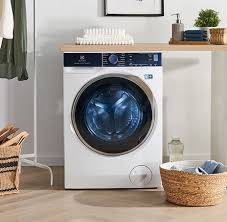
Why choosing a washing machine can feel difficult
Washing machines are one of the harder household appliances to shop for. They’re bulky and inconvenient to transport, and the market is full of jargon and feature claims that can make comparisons confusing. Because it’s also a large purchase, the decision can feel high-stakes.
The upside is that a high-quality washing machine can last a long time. Taking a structured approach—starting with the type of machine, then narrowing down capacity, installation needs, and the features you’ll actually use—can make the process more manageable.
Front loader vs top loader: how they differ
The first major decision is whether you want a front-loading or top-loading washing machine. Many people already have a preference based on their previous machine, laundry layout, or mobility, but it’s worth understanding the trade-offs.
Front-loading washing machines generally cost a little more than top loaders, but they tend to perform better while using less water and energy. They wash by tumbling clothes through the wash water, repeatedly lifting and dropping them. Although that sounds rough, they’re typically gentle on fabrics and handle unbalanced loads better. One common drawback is that wash cycles can take longer than on a top loader, though many models include a fast-wash option.
If you have solar hot water and want to use it for washing, you may need a machine with a hot water connection. Dual hot-and-cold connections can be difficult to find on front loaders because many rely on internal heaters instead.
Top-loading washing machines are often cheaper to buy, lighter, and faster to run through a wash cycle. However, they generally use more water, can be harsher on clothes, and as a rule don’t wash as well as front loaders. They typically wash by floating clothes in a larger volume of water and using either an agitator or an impeller to move them.
- Agitators remove dirt quickly but can be rough on clothes.
- Impellers can tangle clothes more than agitators, which may lead to off-balance loads more often. They also generally use more water and energy than agitators, but take up less space—so you may get more capacity in a smaller machine.
Washer-dryer combos: convenient, but with compromises
Washer-dryer combos combine a front-loading washer and dryer in one appliance. While the idea can be appealing, these units can be expensive, more prone to breakdowns, and many take a long time to dry a load. Some models can even use more water to dry clothes than to wash them (sometimes up to 210 litres).
Although the technology is improving, standalone appliances may be the better option unless you have very limited space or you only plan to use the dryer occasionally.
Choosing the right capacity (and avoiding overbuying)
Washing machine capacities range from about 5kg to over 18kg. Bigger machines can be useful for large households or bulky items like bedding, but many people don’t need as much capacity as they think. Most of us wash about 3.5kg of clothes at a time—roughly a full laundry basket—regardless of the machine’s maximum capacity.
A simple way to estimate your typical load is to weigh yourself, then weigh yourself again holding a full basket of laundry. The difference gives you a starting point for choosing a practical capacity.
Cycle time, spin speed, and drying time
Top loaders are generally faster than front loaders, in part because front loaders use less water. If you prefer a front loader but want shorter cycles, look for a model with a fast-wash cycle. Keep in mind that fast-wash programs may not suit very full or heavily soiled loads.
Also consider drying time. Front loaders often have higher spin speeds, which extract more water. That can shorten drying time and may save money if you use a dryer.
Installation and space: measure before you shop
Before you decide on a model, consider where it will go and how you’ll use the space around it. Think about clearance to open the door or lid, room to load and unload, space to move with a laundry basket, and whether nearby doors (including to the laundry itself) will still open freely. Check whether access to a power point or taps is restricted.
If your new washing machine needs a hot water inlet, confirm one is available. Use a measuring tape and write down the dimensions you can accommodate, including the size of your current machine, and take those measurements with you when shopping.
If space is tight, a front loader can be easier to integrate because you can stack or wall-mount a dryer above it, or use the top surface as a work area. Many front loaders are also designed to fit into a standard kitchen cabinet space and can be installed under a benchtop.
Noise considerations
As a general rule, front loaders can be louder and higher pitched than top loaders because they spin faster. If your laundry is close to living areas, noise may be an important factor to weigh up when comparing models.
Water connections, heaters, and temperature control
Some machines need both hot and cold water to operate correctly, or may require a special connector or a sealing cap if you want to connect the hot inlet to cold water only. Front loaders typically have internal heaters, which can be useful if you only have a cold water connection but still want warm wash options.
For dual-connection models, manufacturers may recommend a lower maximum temperature than some hot water systems deliver, particularly solar hot water systems. In those cases, you may need a tempering valve to reduce temperature. Interestingly, washers without hot water inlets can offer a wider range of temperature options because they aren’t limited by a household hot water system’s 65°C maximum.
Hot water can set some stains, so a cold-water fill followed by a slow heat up to the optimal wash temperature can help stain removal. Well-designed dual-connection washers should fill with cold first and then add hot water.
Safety and child lock features
Some machines include a child lock function. This may prevent the door from being opened mid-cycle, or stop programs from being changed during a wash. In homes with children, it can be worth activating the door lock even when the washer is inactive. At the same time, some manufacturers recommend keeping front loaders partially open to reduce the risk of mould growth in the rim. If you’re concerned about children playing with the washer, a child safety gate for the laundry may be worth considering.
Features worth comparing (and when to skip extras)
Modern washing machines may include many wash programs and technology features. Some can improve performance or convenience, but it’s sensible not to pay extra for features you won’t use.
- Auto load sensing: Adjusts water level (and sometimes wash action) based on load size and/or fabric type. Effectiveness can vary.
- Extra-gentle cycles: Designed for garments labelled as hand-wash only, including woollens, silk, and cashmere.
- Variable spin speed: Higher speeds remove more water and reduce drying time; lower speeds can suit delicates or reduce creasing. Very high speeds can leave clothes stiff and towels flatter, sometimes needing a shake before drying.
- Extra rinse options: Helpful if detergent residue leaves white marks, or for people with sensitive skin. Options may include rinse-and-spin, spray rinse, or deep rinse.
- Fast/quick/rapid wash: Useful for lightly soiled or small loads, but may not suit large or heavily soiled loads.
- Out-of-balance detection: Can redistribute loads by spinning slowly before the full spin or by adding more water (common in top loaders). If high water use is a concern, consider a machine without this feature or choose a front loader.
- Anti-crease/permanent press: May reduce ironing by using options like rinse hold, spin hold, gradual cooling after warm washes, or tumbling at the end of the program.
- Internal heater (front loaders): Enables warm/hot washes from a cold-water connection and increases placement flexibility, but means you can’t use free solar hot water via a hot inlet.
- Favourite/memory settings: Lets you save preferred wash options.
- App connectivity: Can provide cycle progress, notifications, and additional programs, though you still need to load and unload the machine.
- Automatic detergent dosing: Measures and dispenses liquid detergent from a tank, reducing mess and helping match dosage to the load, but adds cost.
- Lint and trap filters: Top loaders often use lint filters due to more lint generation; front loaders typically have a trap filter for items like coins.
Understanding energy labels and estimating running costs
All washing machines carry an energy label showing a star rating and an estimated kilowatt-hours per year (kWh/year). More stars indicate better energy efficiency, but star ratings should only be compared between machines of the same capacity. A larger machine may have more stars but still use more power overall across a year.
For machines with hot and cold intakes and no internal heater (typically top loaders), the energy estimate can include the energy used by the home’s hot water service as well as the washer itself, which helps comparisons against internal-heater models.
To estimate annual running cost, multiply your electricity rate by the washer’s kWh/year. For example, at 40c per kWh and 600kWh per year, the running cost would be $180 per year.
Brand testing and reliability: how recommendations are formed
Independent lab testing has assessed more than 140 front- and top-loading washing machines over six years, alongside member feedback on satisfaction and reliability. Front loaders and top loaders are evaluated separately because they perform differently and have different performance thresholds.
Based on test results and member-reported reliability, one brand received a Best Brand recommendation for front-loading washing machines, and another brand was identified as Best Brand for top-loading washing machines over the past 12 months. Best Brand eligibility requires a minimum number of tested models and survey responses, and brands must meet minimum performance and reliability thresholds.
When comparing brands and models, it can help to look at how machines score for dirt removal, rinse performance (detergent removal), water efficiency, spin efficiency, and gentleness on clothes—alongside reliability feedback from owners.