
Concussion exclusions and athlete protection: what Zurich’s TPD change means for AFL players and the wider sports insurance market
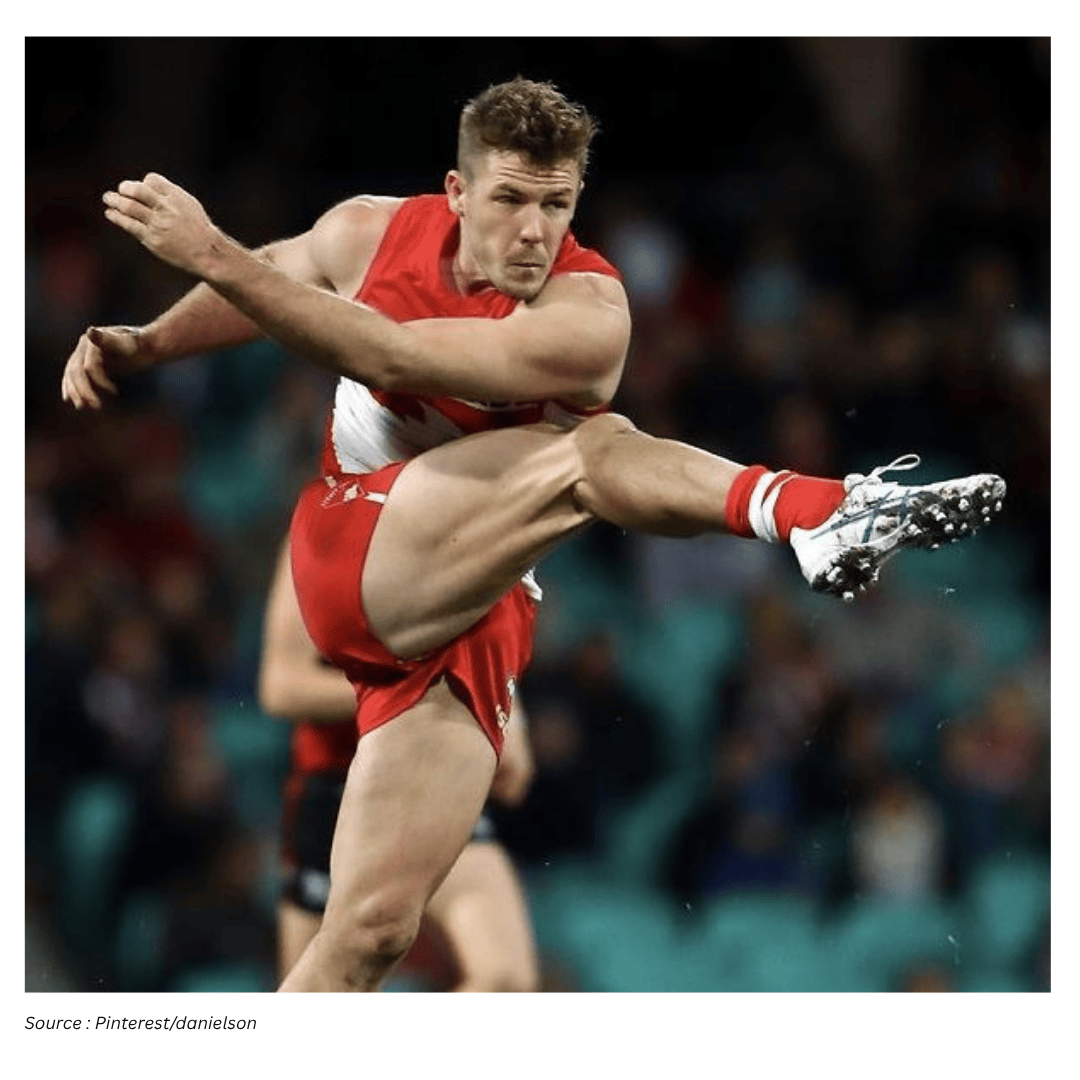
A shift in concussion cover for elite AFL and AFLW players
A recent decision by Zurich Australia has made it harder for AFL and AFLW players to access brain injury insurance through a long-standing channel. In March, Zurich announced concussion and head trauma exclusions for professional players who held total and permanent disablement (TPD) insurance as part of the AFL Players Association superannuation fund, which is administered by a trustee, AMP.
The practical effect is significant: no TPD benefit will be payable for football-related brain injury, including concussion and chronic traumatic encephalopathy (CTE), under the affected arrangements. From May 1, unless a player has their own private TPD insurance, they will need to look elsewhere for support, including to the league and the players association.
While the change applies to a specific cohort and a specific product, it has broader implications. It highlights a growing tension between the rising awareness of long-term head injury risk in contact sports and the willingness of insurers and underwriters to carry that risk within traditional insurance structures.
Why an insurer might step back from concussion risk
Zurich has said it is the only insurer offering this type of coverage to AFL and AFLW players, pointing to a reduced appetite across the insurance market for covering these injuries. Media reports suggest Zurich is concerned by a higher-than-expected volume of claims paid since it commenced coverage in 2020, including several seven-figure payouts to athletes.
Another reason cited is uncertainty. Brain injuries can involve complex medical pathways and long timeframes, and insurers have sought to limit liability for high-contact sports. In this environment, concussion risk can be viewed as difficult to price and difficult to manage within a standard TPD framework.
Insurers have responded by withdrawing or excluding head injury cover from their TPD insurance. The broader concern, reflected in commentary around the issue, is that concussion risk is increasingly being treated as uninsurable rather than governable.
What changes for players when TPD cover is narrowed
TPD insurance is designed to provide a benefit when a person is no longer able to work due to disability. For professional athletes, whose careers are short and physically demanding, the availability and design of disability cover can shape long-term financial security. When a category of injury is carved out, the gap is not merely technical; it can determine whether an athlete has access to a substantial benefit or must rely on alternative arrangements that may be more limited.
Under the new exclusion, players who do not have private TPD insurance will have fewer options if they develop cognitive impairment linked to their playing career. They will need to seek support through the league and the players association, or through other mechanisms that may not match the scale or certainty of the previous insurance benefit.
The AFL’s severe injury benefit: support, but with limits
The AFL, via its players association, offers a “severe injury benefit” that provides financial support of up to $600,000 to eligible AFL and AFLW players who suffer cognitive impairment caused by their playing career. This includes the impacts of traumatic brain injuries.
However, the capped nature of this payment means it is not comparable to the financial security previously offered through Zurich’s TPD arrangement. There are also concerns about the discretionary nature of private schemes and whether the level of funding available is sufficient to cover the number and size of potential claims.
For now, privately funded arrangements such as the AFL’s severe injury benefit operate as a stopgap. The longer-term question is whether stopgaps can remain adequate if concussion-related needs grow, or if other parts of the insurance market follow Zurich’s lead and narrow coverage further.
How the NRL differs: funds rather than a single default insurance arrangement
The AFL situation also invites comparisons with other codes. Unlike their AFL counterparts, NRL players do not appear to have access to a single default insurance arrangement. Instead, the league and its players association have two funds: a “past player medical support fund” and a “player hardship fund”.
There is limited publicly available information about the nature and scope of these funds. Even so, the structure illustrates a different approach: rather than relying on a single default insurance product, support may be distributed through multiple funds with their own eligibility rules and capacities.
Across codes, this diversity of models can make it difficult to assess who is protected, to what extent, and under what conditions. It also complicates the broader policy debate about whether sport-related head injury is best handled through private insurance, code-funded schemes, public systems, or a blend of all three.
Workers compensation: a safety net that often doesn’t apply to professional athletes
In many industries, workplace injury risk is managed through state-based workers compensation schemes, such as WorkCover. These provide no-fault insurance that pays medical costs and replaces part of a worker’s income when they are injured because of their job.
Most professional athletes are excluded from these schemes. This exclusion was a focus of a 2023 Senate inquiry into concussions and repeated head trauma in contact sports. The inquiry spotlighted a structural issue: athletes face occupational injury risks, but may not have access to the same default protections available to millions of other workers.
When workers compensation is not available, the burden of long-term injury costs can shift elsewhere. Depending on the circumstances, that can mean private insurance (where available), public health systems, code-funded benefits, and in some cases, litigation.
International comparisons: three different ways to allocate responsibility
How countries organise responsibility for the long-term impact of head injury risk varies significantly. A useful comparison can be found across three rugby heartlands in the southern hemisphere: Australia, New Zealand and South Africa.
Australia: basic injury cover, but long-term head injury costs spread across systems
In Australia, registered rugby players at all levels are covered by a national risk management and insurance program. The injury cover is described as basic and capped, and it does not cover long-term head injury risk.
Instead, the future costs of concussion tend to fall across a mix of private insurance, public health systems and, increasingly for professional players, the courts. Litigation related to concussion and head trauma is rising and is widely viewed by insurers as an accelerating legal risk.
Against that backdrop, the move to exclude concussion and head trauma from TPD cover can be seen as part of a broader market response to uncertainty and perceived legal exposure.
New Zealand: universal, no-fault coverage and a prevention partnership
New Zealand takes a fundamentally different approach. Through its no-fault Accident Compensation Corporation, head injuries are treated as a publicly pooled social risk, with coverage described as automatic and universal.
The Accident Compensation Corporation works alongside sport through SportSmart, a national injury prevention program developed by academics, clinicians and sporting organisations. In this system, litigation is largely replaced with guaranteed medical care, rehabilitation and income support, while prevention becomes a direct tool for protecting the sustainability of the insurance pool.
The model highlights a different set of trade-offs: rather than relying on private insurance markets to price and accept risk, the risk is pooled publicly, with prevention embedded as part of the system’s long-term viability.
South Africa: a partnership approach with mandated safety education
South Africa sits somewhere between the Australian and New Zealand models. While the system does not rely on a public insurer, it operates in partnership with a private insurer and incorporates BokSmart, a national safety program.
BokSmart mandates education, enforces evidence-based laws and applies strict return-to-play protocols across all levels. Litigation is possible in South Africa but remains uncommon, suggesting a different balance between compensation, prevention and legal action.
Australia’s decentralised concussion governance
Rather than adopting a national initiative such as SportSmart or BokSmart, Australia’s concussion governance is largely decentralised. Individual sporting codes are responsible for concussion protocols within their competitions and pathways.
This decentralisation can leave gaps in consistency, especially when considering how head injury risk is managed across elite, community and junior levels. It also affects how data is collected and shared, which in turn influences how well insurers, sporting organisations and policymakers can understand long-term exposure and trends.
Why this matters beyond the AFL: flow-on risks for community and junior sport
The Zurich decision affects the specific TPD cover of elite AFL and AFLW players. But the wider concern is what happens if decisions to reduce or exclude sport-related concussion cover prompt other insurers to reassess their own exposure.
That potential reassessment could extend beyond elite sport. Community and junior sport insurances may come under scrutiny if insurers view concussion and head trauma as risks that are difficult to price, difficult to limit, or linked to heightened legal uncertainty.
This is where the issue becomes more than a dispute about one policy. If insurance becomes unavailable or unaffordable at lower levels of participation, the consequences could be felt across clubs and competitions. The Insurance Council of Australia cautioned in its 2023 submission to the Senate inquiry that “no insurance means no sport”.
Even if elite leagues can create alternative support mechanisms, grassroots sport often relies on accessible, pooled insurance arrangements to function. Any contraction in cover could therefore have implications for participation and the sustainability of community competitions.
What alternative solutions could look like
Zurich’s decision does not directly threaten the viability of sports on its own, but it does increase pressure to find alternative ways to protect athletes. The situation points toward a need for better partnerships between sporting organisations, insurers and governments to improve how head injury risk is understood and managed.
One proposed direction is improved data sharing and injury surveillance. By pooling more injury surveillance data, stakeholders could gain a clearer picture of long-term exposure and emerging trends. Better information can support more informed decisions about preventing harm, designing policy, and managing risks.
This approach is likely to be most effective if it extends down to community and junior sport. Concussion and head injuries often first occur in youth participation, and early mismanagement can increase the risk of long-term health consequences. If prevention and monitoring are strengthened early, the broader system may be better positioned to manage both health outcomes and financial risk over time.
Key takeaways for the insurance market and sport
Zurich’s concussion and head trauma exclusions mean certain AFL and AFLW players will no longer be able to claim TPD benefits for football-related brain injury under the affected arrangements.
The insurer has pointed to reduced market appetite, claim volumes since 2020, and uncertainty around brain injuries and liability in high-contact sports.
League-based benefits, such as the AFL’s severe injury benefit capped at $600,000, may provide support but are not equivalent to broader TPD coverage and may raise questions about discretion and funding adequacy.
Most professional athletes are excluded from state-based workers compensation schemes, a point raised in the 2023 Senate inquiry into concussions and repeated head trauma.
International models show different ways to pool risk and embed prevention, including New Zealand’s universal no-fault approach and South Africa’s partnership model with mandated safety programs.
Any broader reduction in sport-related concussion cover could affect community and junior sport, where insurance availability is closely tied to the ability to run competitions.
The unresolved question: who ultimately carries the cost?
When insurers narrow coverage for concussion and head trauma, the risk does not disappear. Costs may shift to athletes and families, to privately funded league schemes, to the public health system, or to the legal system. The balance between these outcomes depends on how sport, insurers and governments respond.
For now, the Zurich change is a clear signal that the insurance market is reassessing how it treats long-term head injury risk in contact sport. Whether that reassessment leads to new pooled solutions, stronger prevention partnerships, or a continued drift toward exclusions and litigation will shape the practical protections available to athletes at every level.