
Other Insurance
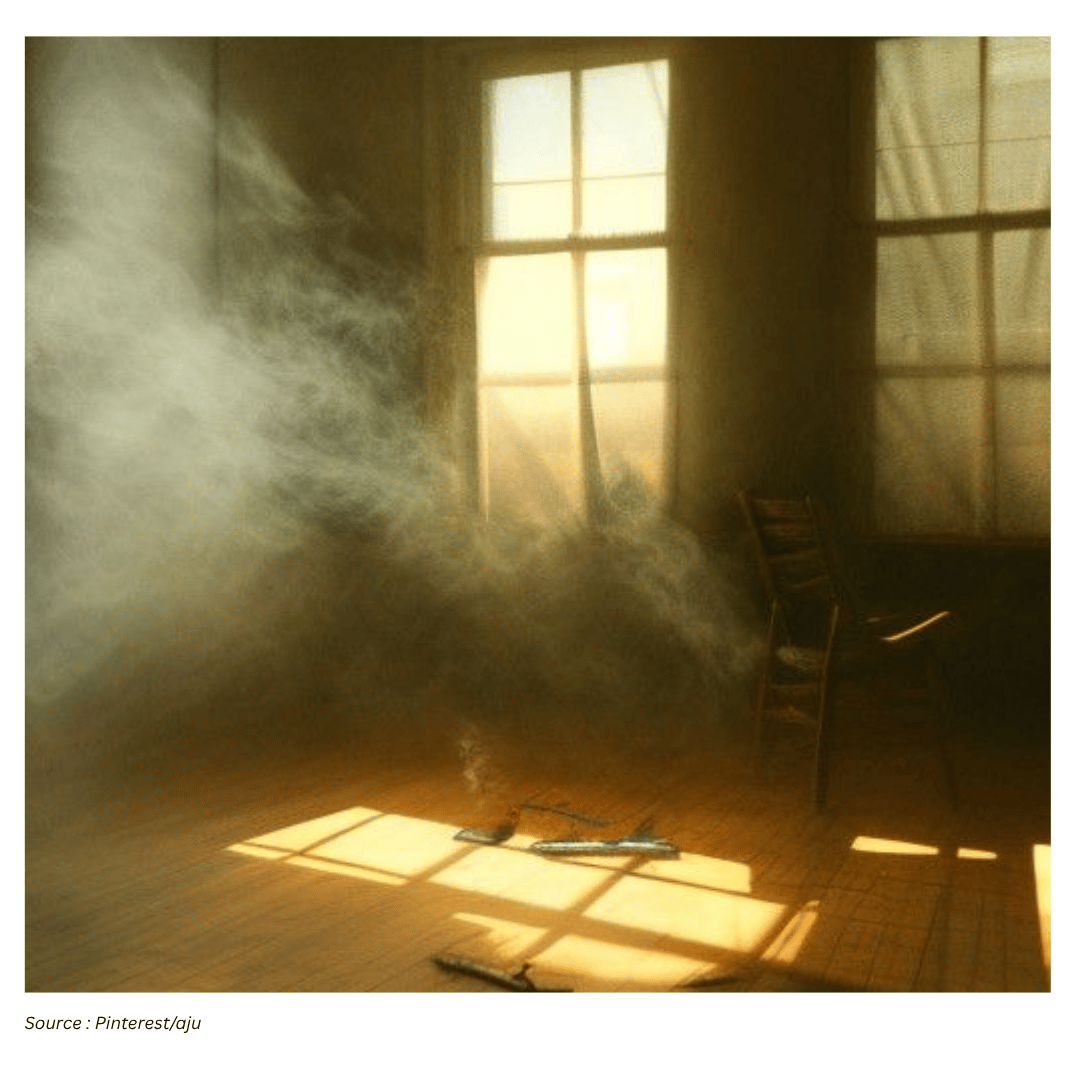
Queensland smoke alarm deadline nears as many owner-occupied homes remain non-compliant
With a January 1, 2027 deadline approaching, estimates suggest many Queensland owner-occupied homes still lack the interconnected photoelectric smoke alarms required in every bedroom and hallway. Electricians warn of potential supply and trade bottlenecks as demand rises.
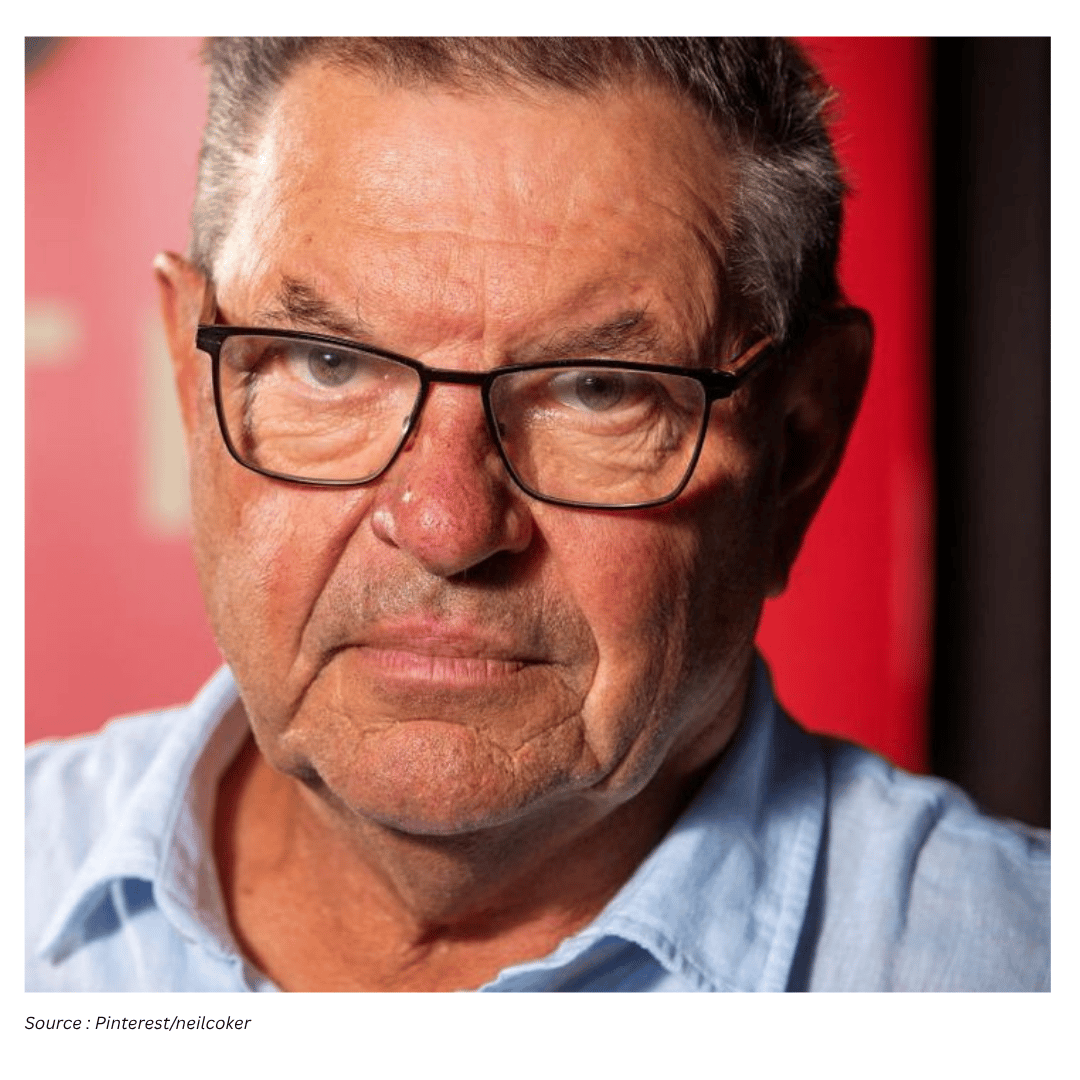
TasInsure and the politics of insurance promises: what Tasmania’s revised plan reveals about expectation management
Tasmania’s government has outlined how it will implement TasInsure, but the model differs sharply from the election pitch. The shift—from a state-owned insurer offering multiple policies and household savings to a statutory authority focused on oversight and advisory work—has reopened a wider debate about what political promises mean, how they are communicated, and what happens when delivery collides with feasibility.

Melbourne nightclub runs without public liability cover as premiums surge and insurers retreat
Pride of our Footscray has operated for two years without public liability insurance after repeated premium hikes and widespread refusals from insurers. The venue’s experience is now part of a wider national debate about the affordability and availability of cover for higher-risk small businesses.
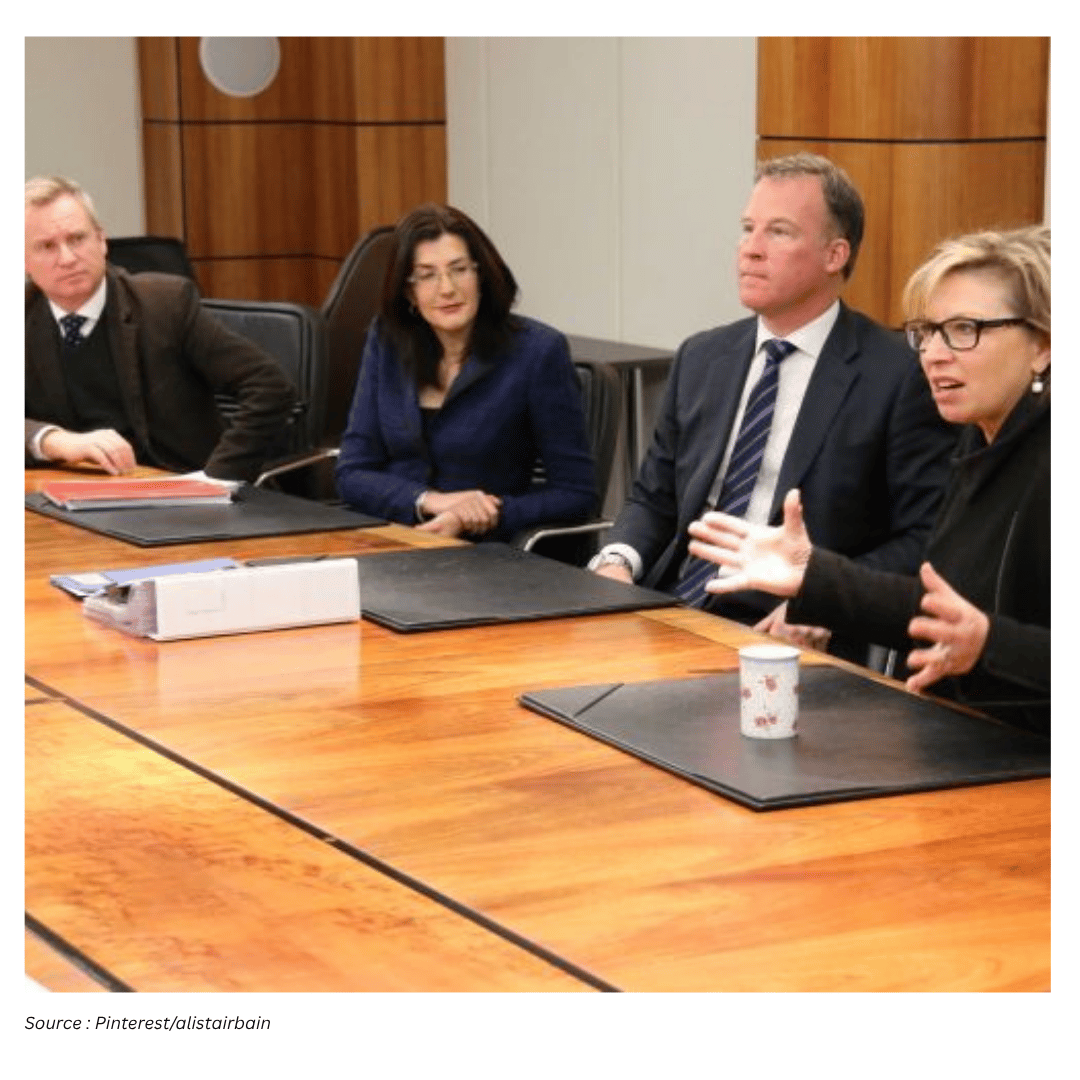
TasInsure shifts course: Tasmania abandons plan for a state-owned insurer in favour of a statutory authority
Tasmania’s government has moved away from its election pledge to launch a state-owned insurer, saying TasInsure will instead be created as a not-for-profit statutory authority aimed at improving affordability and availability across the insurance system.

Queensland councils explore a community insurance mutual as home premiums surge in the south-west
After residents reported home insurance quotes climbing into the tens of thousands of dollars a year, six south-west Queensland councils are investigating a “community protection mutual” aimed at improving affordability and access to cover in flood-prone towns.

RACQ disputes ASIC claim over renewal notices, despite earlier apology
RACQ is defending insurance renewal notices accused by ASIC of misleading customers about premium increases, arguing policyholders would have understood the context even when the “last period premium” did not match what was actually paid.

Pet insurance complaints rise as owners face higher premiums, disputed claims and tough choices
Pet owners are reporting rising premiums, confusing policy terms and disputed claims, with more cases reaching the Financial Ombudsman Service. Some are turning to self-insurance, but experts warn it requires discipline and may not cover major bills.

How to negotiate a better private health insurance deal after premium rises
With average private health insurance premiums rising from April 1, many households are reassessing whether their cover still makes sense. Rather than automatically renewing or cancelling, consumers can often improve value by reviewing excess levels, hospital and extras settings, and using competitor quotes as leverage in a structured negotiation.

There’s No One-Size-Fits-All Pet Insurance: How to Compare Plans and What Six Notable Providers Do Differently
Pet insurance can help protect your budget when unexpected veterinary bills hit, but policies vary widely in what they cover, how they define preexisting conditions, and how claims get paid. Here’s a practical framework for comparing plans—plus a look at six insurers that stand out for specific strengths.

Americans’ anger at insurers is broader than health care—and what three policy reforms could do about it
Public fury aimed at health insurers has also been building across homeowners and auto coverage, where consumers report shrinking protection, rising prices, and claim disputes. An insurance law scholar argues that restoring trust will require stronger disclosure, minimum coverage standards, and meaningful remedies when insurers act unreasonably.
1 / 4