
More than 8 million Australians now rely on income support as health-related work loss rises
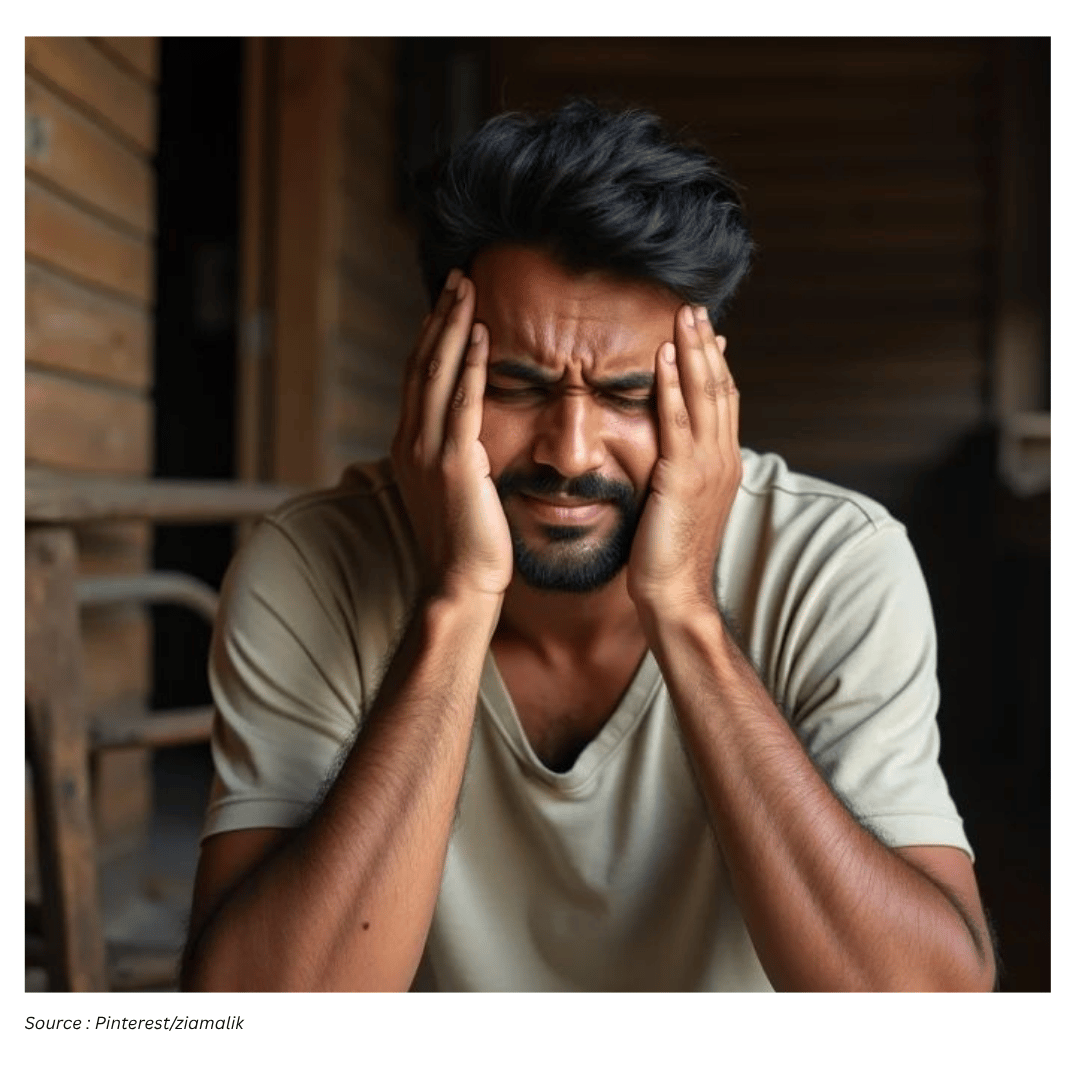
A larger share of Australians is drawing on income support
More than 8 million Australians now rely on some form of income support each year, according to newly compiled data examining demand across the country’s major support schemes. The figure represents an increase of about 2 million people compared with a decade ago, a rise researchers and industry bodies link to worsening physical and mental health that can prevent people from staying in work.
The analysis found demand has increased across all 11 income support systems it examined. These systems span employer-provided sick leave, workers’ compensation, social security payments, superannuation and life insurance claims. While each scheme has its own purpose and eligibility rules, the overall picture points to a safety net carrying a heavier load than it was designed to bear.
At the same time, life insurers and researchers argue that the way support is currently structured often means help arrives too late—after people have already left the workforce or exhausted short-term options—making recovery and return to work more difficult.
Short-term sick leave dominates, but more people are moving into longer-term support
Although around 8 million Australians receive some form of income support each year, the majority are not receiving government welfare payments such as JobSeeker or the disability support pension. Instead, about 7.5 million people are accessing employer-provided sick leave, typically for short periods of around three weeks.
However, the data also indicates a growing problem: more people are exhausting their sick leave and transitioning into longer-term support. Once that happens, the likelihood of returning to work tends to fall. Researchers involved in the analysis emphasise that the longer a person is out of work, the less likely they are to re-enter the workforce, particularly when treatment is delayed or support is poorly coordinated.
This shift—from short absences covered by sick leave toward longer-term claims and payments—adds pressure to multiple parts of the system at once. It can also create a chain reaction for individuals, who may need to navigate several schemes over time as their circumstances change.
Mental ill health is a major driver of claims and complexity
A key finding from the data is the growing role of mental ill health in Australia’s income support landscape. Mental ill health now accounts for about one-third of claims across the country’s major income support schemes, based on figures compiled by researchers at Monash University and SuperFriend for the Council of Australian Life Insurers (CALI).
CALI chief executive Christine Cupitt described the situation as a national productivity challenge, arguing that the entire system is under pressure. She said mental health has changed the profile of claims, increasingly driving the need for income support and contributing to claims that are more complex and longer in duration.
The data also highlighted a sharp increase in mental health claims among some working-age groups. Over a 10-year period, mental health claims by Australian workers aged between 30 and 40 increased by more than 730 per cent. The figures underline how mental health-related work disruption is not limited to older cohorts and may affect people during key earning years.
A personal example: Long COVID and the path to partial income protection
The broader statistics are reflected in individual experiences, including that of 30-year-old Lauren Frahamer, who was unable to continue full-time work due to Long COVID. Before falling ill, she worked as a stage manager on major musical theatre productions, often around 50 hours a week, including nights and weekends. Outside of work she maintained an intense fitness routine involving gym sessions, swimming, running and yoga.
She contracted COVID-19 in December 2021 during an outbreak that spread through her workplace. While the acute illness involved weeks of fever, pain and exhaustion, she said recovery never came. She attempted to return to work for about a month but found she could not sustain it.
She described experiencing extreme fatigue and brain fog, including difficulty remembering a sentence well enough to pass a message on—an issue that directly affected her ability to perform a job requiring sustained focus for hours at a time. As symptoms continued, she said confusion and fear set in, particularly because she had not experienced a major health event before.
Eventually she resigned, moved back to Melbourne to be closer to family, and began treatment through an allied health clinic specialising in complex, long-term conditions. She said the turning point in seeking financial support came when her partner at the time was made redundant, prompting her to consider what assistance existed and whether Long COVID would be recognised for a claim.
In mid-2022 she was granted partial income protection. She said the support helped her maintain independence at a time when savings were quickly depleted by rent, day-to-day living costs, appointments and medications. Without income protection, she said she would have had to move back in with her parents and become dependent again.
She now works nine hours a week from home in client support at the same allied health clinic that once treated her—about 40 per cent of her former capacity. After about a year at that level, she said she remains determined to take steps toward returning to full-time work, while acknowledging the difficulty of having work taken away “through no fault of your own”.
Understanding what income protection does—and what people often assume
The reporting also highlights a common misunderstanding: people often wrongly believe income protection insurance would pay out if someone was unable to work due to losing their job for any reason. In practice, eligibility depends on the policy terms and the circumstances of the inability to work. For individuals already dealing with illness, uncertainty about whether a condition will be recognised—and the effort required to apply—can add to stress and delay.
Ms Frahamer’s experience illustrates how people may only begin exploring support options after a major change in household income or when savings begin to run out. It also shows how partial capacity to work can coexist with ongoing impairment, creating a need for more nuanced support than an “all-or-nothing” approach.
Fragmentation across 11 schemes creates hurdles for people who are unwell
Associate Professor Ross Iles, a Monash University researcher and chief research adviser at SuperFriend, said the number of working-age Australians needing income support has risen steadily, with mental health taking a bigger toll on people’s ability to work.
One of the biggest challenges, he argued, is fragmentation. Each scheme has different eligibility rules, medical evidence requirements and application processes. If a workers’ compensation claim is rejected and someone needs to turn to insurance or social security, that can mean starting again with a new application, new forms, new medical assessments and new processes.
For people who are unwell, that administrative burden can be overwhelming. It can also create gaps between supports, particularly when decisions take time or when an individual is forced to move from one system to another. The result can be delays in treatment, delays in claim processing and a lack of coordinated support—factors Mr Iles said reduce recovery prospects and increase long-term costs.
The cost is significant, and the return-to-work window can narrow
The analysis places the scale of spending in stark terms. Close to $80 billion a year is being spent on income support, according to Mr Iles. While the figure reflects the breadth of the systems involved—from sick leave to insurance and public payments—it also underscores why researchers and insurers are focused on preventing people from falling into long-term work loss where possible.
A central concern raised in the report is timing. The longer someone is out of work, the less likely they are to return. When treatment is delayed, when claims take time to process, or when support is not coordinated, the pathway back to employment can become harder. This is especially relevant for complex, longer-duration claims, including those linked to mental ill health.
Insurers call for earlier intervention while people are still working
Life insurers say the current system tends to intervene too late, after a person has already left work or exhausted initial supports. They argue that earlier, better-coordinated support is needed while people are still working, potentially improving outcomes for individuals and reducing the likelihood of long-term claims.
CALI, whose members have a direct commercial interest in reducing long-term income protection claims, has argued that earlier intervention is critical. The organisation’s position is that better coordination could help people get support sooner and avoid extended periods away from work, while also easing pressure on multiple schemes.
Ms Cupitt said the country cannot afford systems operating in silos while more Australians get sick and leave the workforce, describing the situation as a “burning platform”.
What a more unified approach could involve
The report points to a government-led overhaul that would better link Australia’s 11 income support systems with employers, insurers and public agencies. The proposed direction is not simply about increasing payments, but about improving how the systems interact and how people move between them.
Elements discussed include:
- Nationally consistent definitions for mental health within income support frameworks
- Shared data to improve coordination and reduce duplication
- Better identification of people at risk of long-term work loss
- Smoother transitions between different forms of support when circumstances change
Supporters of reform argue that consistency and coordination could reduce the repeated assessments and paperwork that currently occur when individuals shift from one scheme to another. For people already dealing with illness or injury, fewer administrative barriers could mean faster access to appropriate treatment and assistance.
A system under strain, and the policy questions ahead
The rise in the number of Australians accessing income support—combined with the growing share of claims linked to mental ill health—raises difficult questions for policymakers, employers, insurers and health providers. The data suggests that a large portion of the population will interact with income support systems at some point each year, most commonly through short-term sick leave, but increasingly through longer-term pathways when recovery is slower or conditions are more complex.
At the individual level, the consequences can be immediate: depleted savings, reduced independence and a disrupted career trajectory. At the system level, fragmentation can multiply costs and delays, even as spending approaches $80 billion annually.
The report’s central message is that earlier intervention and better coordination—particularly for mental health-related work disruption—could improve outcomes. Whether that can be achieved through unified assessment processes, consistent definitions and better-linked systems remains a key issue as demand continues to rise across all 11 income support schemes.